
Disclosure: Auto Gear Pilot is reader-supported. If you buy through links on this page, we may earn a commission at no extra cost to you. Learn more.
Winter breakdowns are more dangerous than summer ones because cold, snow and darkness turn a short wait into a real risk. A simple kit in your trunk, plus a few habits before you drive, makes a big difference. This checklist covers what to pack, what to check before winter and what to do if you get stranded.
Winter kit in 30 seconds
- Pack warmth (blankets, gloves, hat), light and signals (flashlight, flares or reflective triangles), power (phone charger, jump starter) and traction (shovel, ice scraper, sand or kitty litter).
- Keep your gas tank topped up and check your battery and tires before the first cold snap.
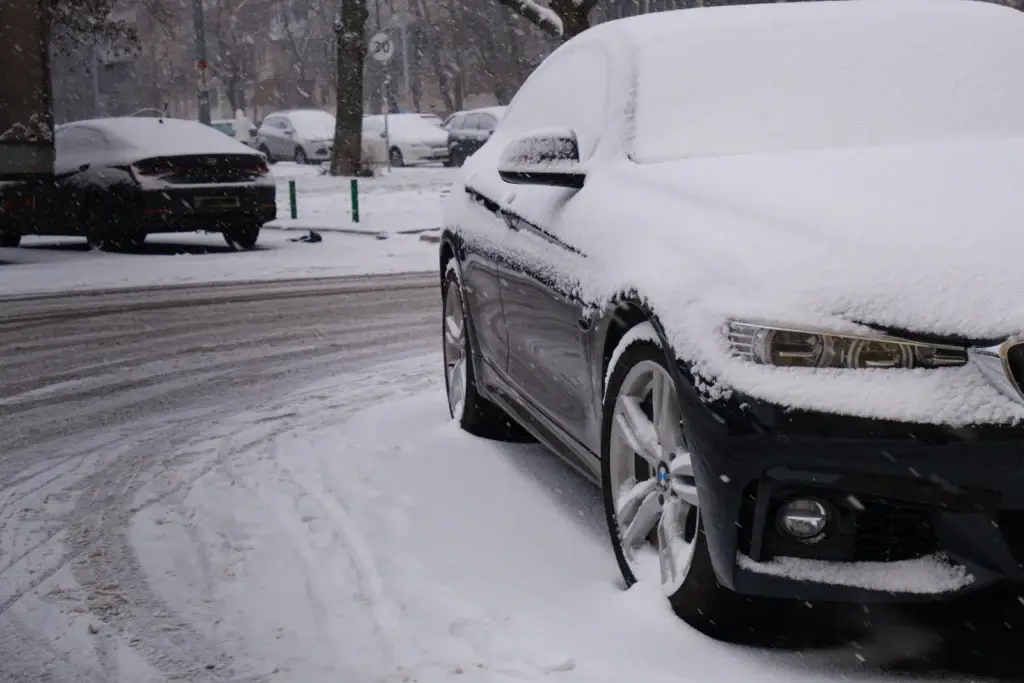
- If you are stranded, stay with the car, keep the exhaust pipe clear of snow and run the engine only in short periods.
The complete winter car emergency kit
Stay warm
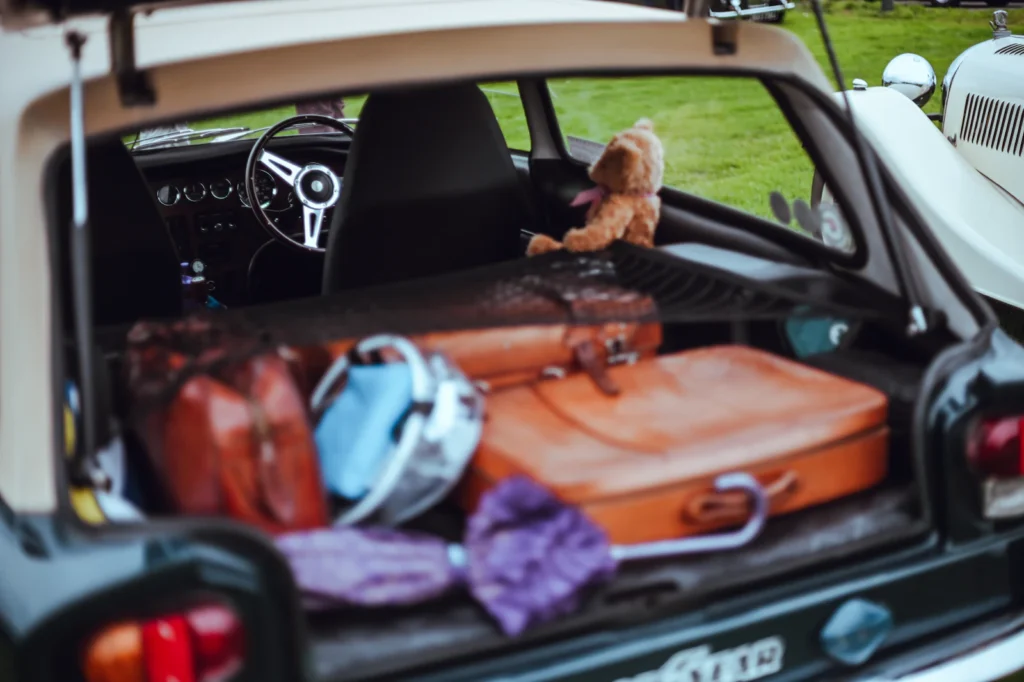
- Wool or fleece blankets (or an emergency blanket for each passenger)
- Extra gloves, hat, scarf and dry socks
- Hand warmers
Stay visible and seen
- Flashlight or headlamp with spare batteries
- Road flares or reflective warning triangles
- A brightly colored cloth to tie to the antenna or door
Stay powered
- Phone charging cable and a power bank
- A portable jump starter (cold weather is hard on batteries). See how to choose a portable jump starter.
- Jumper cables as a backup, if you prefer a second car to help
Get unstuck
- Ice scraper and snow brush
- Small folding shovel
- Sand or cat litter for traction under the drive wheels
- A portable tire inflator, because tire pressure drops in cold weather. Read how to use a portable tire inflator.
Basics for a long wait
- Water bottles and non-perishable snacks (replace them every few months)
- First-aid kit and any personal medication
- Pet food, if you travel with pets
- Paper map in case your phone dies or loses signal
Before winter: a 10-minute car check
| Check | Why it matters |
|---|---|
| Battery age and terminals | Cold weather makes weak batteries fail. Clean corrosion and test batteries that are several years old. |
| Tire pressure and tread | Pressure drops as temperatures fall. Check it with a tire pressure gauge when tires are cold. |
| Wipers and washer fluid | Use winter washer fluid that will not freeze. |
| Lights | Make sure headlights, brake lights and hazards work. |
| Fuel | Keep the tank topped up so you can run the heater if you get stuck. |
If you get stranded in snow
- Stay with your vehicle unless you know exactly where help is and that walking is safe. A car is easier for rescuers to find than a person.
- Make yourself visible: turn on hazard lights, set out flares or triangles at a safe distance and tie a bright cloth to the antenna.
- Keep the exhaust pipe clear of snow. A blocked pipe can push carbon monoxide into the cabin.
- Run the engine in short periods, about 10 minutes every hour for heat, and crack a window slightly while it runs.
- Stay warm and dry: use blankets and layers, and move your arms and legs to keep blood flowing.
- Save your phone battery: call for help, then switch to low-power mode and keep the phone warm.
Smart winter driving habits
- Check the weather for both your route and your destination before you leave.
- Tell someone your route and expected arrival time on long drives.
- Clear all snow from the roof, windows and lights before driving.
- Slow down and leave much more space than usual between cars.
Build your kit
Building your kit from scratch? These are the items people most often forget. Check current prices:
Frequently asked questions
What should be in a winter car emergency kit?
Blankets and warm clothes, a flashlight, flares or reflective triangles, a phone charger, a jump starter or jumper cables, an ice scraper, a small shovel, sand or cat litter, water, snacks and a first-aid kit.
Should I stay in my car if I get stuck in snow?
Usually yes. Stay with the vehicle unless you know exactly where help is and that walking is safe. Keep the exhaust pipe clear and run the engine only for short periods.
How often should I run the engine when stranded?
A common guideline is about 10 minutes every hour, depending on your fuel, with the exhaust pipe clear of snow and a window slightly open.
Do I need a jump starter in winter?
It is one of the most useful items. Cold weather reduces battery performance, and a jump starter lets you start the car without waiting for another vehicle.
Sources: winter preparedness guidance from the Maine Emergency Management Agency and NHTSA winter driving tips, as reported by NPR.

Md. Mitaur Rahman runs Auto Gear Pilot and writes its car accessory buying guides. Each guide is built from manufacturer manuals, support documentation and practical setup checklists.