
Disclosure: Auto Gear Pilot is reader-supported. If you buy through links on this page, we may earn a commission at no extra cost to you. Learn more.
If your car battery dies, a portable jump starter is the tool that gets you moving again. A portable power station is different: it is a large battery with wall-style AC outlets that runs a fridge, lights, laptops or CPAP machines for hours. They look similar, but they are built for very different jobs.
Quick answer
- Need to start a dead car? Buy a jump starter. It delivers a short, very high burst of current that most power stations cannot.
- Need to run devices for hours (camping, power outages, road trips)? Buy a power station.
- Do both often? Keep a small jump starter in the glovebox and a power station for trips. Together they still cost less than a tow in many areas.
What a jump starter does
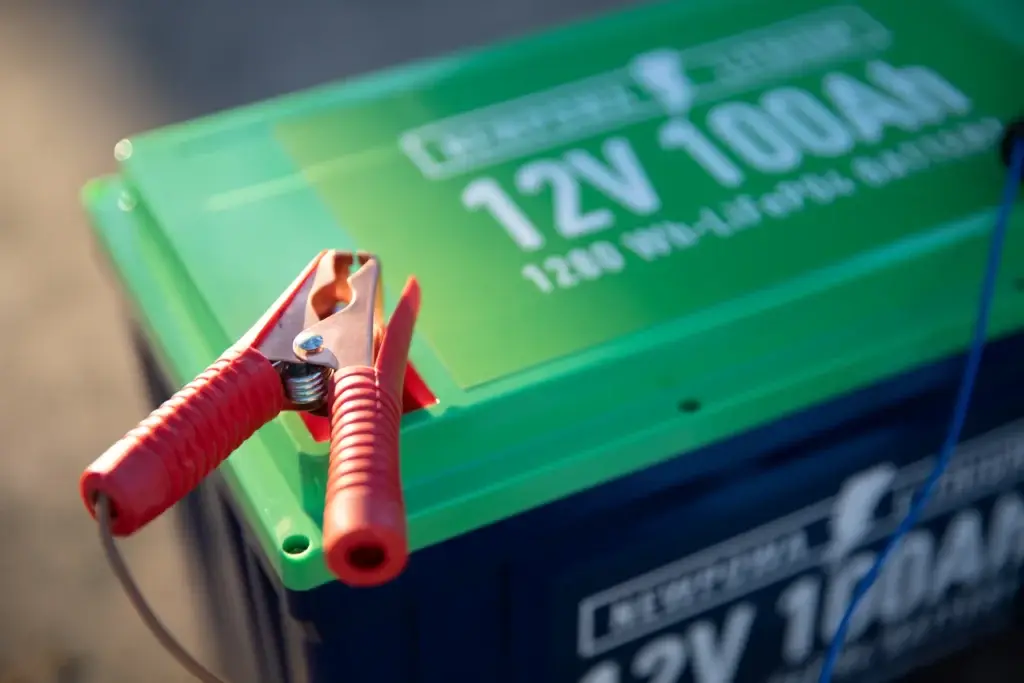
A jump starter is a compact lithium battery with heavy clamps. When you crank the engine, the starter motor pulls a large current for a few seconds. A jump starter is designed for exactly that moment: high current, short time. Most models also include a USB port and a flashlight, but their total energy is small, so they are not meant to power devices for long.
Good jump starters add safety features such as reverse-polarity protection, spark-proof clamps and an override mode for batteries that are completely flat. If you are shopping for one, our jump starter buying checklist explains peak amps, engine size and safety features in plain words.
What a portable power station does
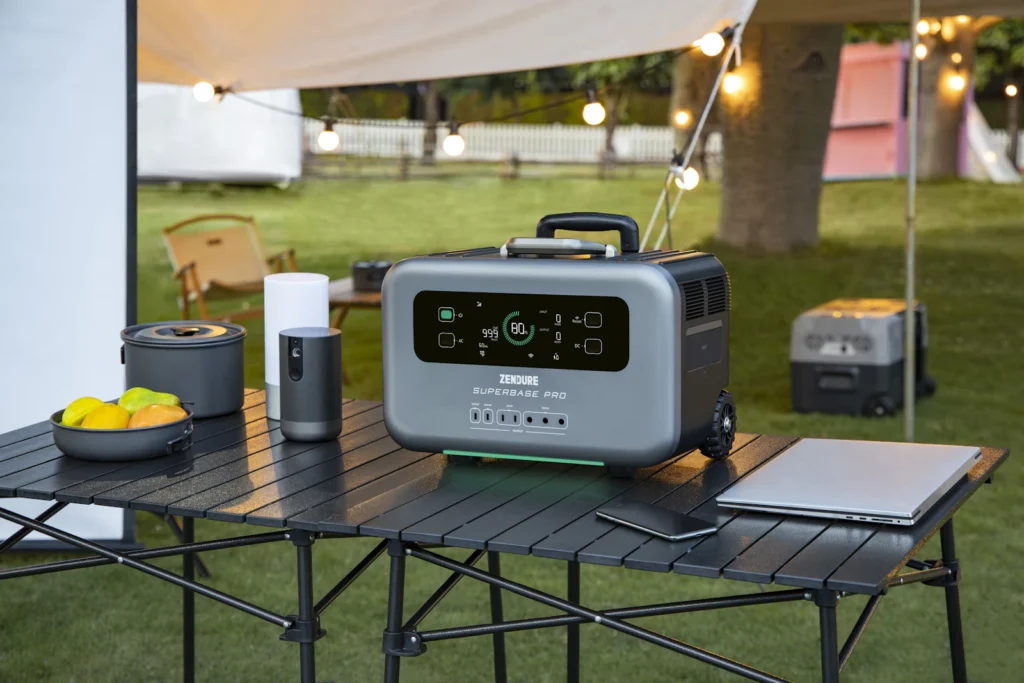
A power station is a much larger battery (usually a few hundred to a few thousand watt-hours) with an inverter, AC outlets, USB-C ports and a 12V car socket. It is designed to deliver steady power for hours: a 12V fridge overnight, a coffee maker at the campsite, or a modem and phone chargers during an outage.
What it usually cannot do is jump-start a car. The 12V socket on most power stations is limited to around 10 amps, while a starter motor needs far more. A few products combine both functions, but unless the manual clearly says “jump start”, assume it cannot.
Side-by-side comparison
| Feature | Jump starter | Portable power station |
|---|---|---|
| Main job | Start a car with a dead battery | Run devices for hours |
| Power delivery | Very high current for a few seconds | Steady power, usually 300–2,000+ watts |
| Typical size | Fits in a glovebox | Lunchbox to small suitcase |
| Typical weight | About 1–3 lb | About 7–40 lb |
| AC outlets | Rarely | Yes, usually 2–6 |
| Can jump a car? | Yes (check engine size rating) | Usually no |
| Typical price range | Lower | Higher |
Which one should you buy?
Buy a jump starter if…
- Your battery is more than three years old or your car sits unused for long periods.
- You drive alone, at night or in cold weather, when waiting for roadside help is uncomfortable.
- You want something small that lives in the car all year.
Buy a power station if…
- You camp, tailgate or take long road trips and want to run a 12V fridge, lights or a laptop.
- You want backup power at home for a modem, phone, lamps or a medical device.
- You plan to add solar panels later.
Buy both if…
You travel off-grid often. The jump starter protects you from a dead battery, and the power station keeps your gear running. Many campers also use the power station to recharge the jump starter between trips.
Common mistakes to avoid
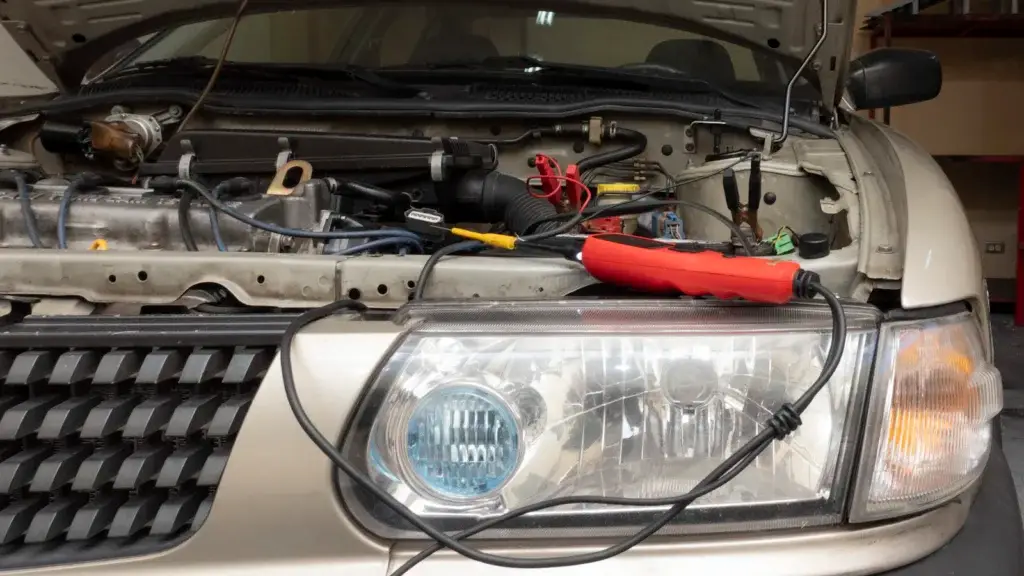
- Trying to jump a car with a power station’s 12V socket. At best it does nothing; at worst it trips the protection circuit.
- Buying a jump starter that is too small. Match the rating to your engine size and fuel type. Diesel and large V8 engines need more.
- Forgetting to recharge. Lithium jump starters slowly lose charge. Top it up every few months and before winter.
- Leaving devices in extreme heat or cold. Both products have operating temperature limits. Check the manual before leaving one in a hot car all summer.
- Using a jump starter instead of fixing the cause. If your battery keeps dying, test it or use a battery charger to recover it properly.
Where to buy
Popular options in each category. Compare specs and the current price before you buy:
Want to compare models? See our best jump starters and best portable power stations for car camping.
Frequently asked questions
Can a portable power station jump-start a car?
Usually not. Most power stations limit their 12V car socket to about 10 amps, far below what a starter motor needs. Only buy a power station for jump-starting if the manual specifically lists a jump-start function.
Can a jump starter charge my phone or laptop?
Most jump starters have a USB port that can charge a phone a few times. Their battery is small, so they are not practical for laptops or running devices for hours.
Is a power station worth it if I only need emergency car help?
No. A jump starter is smaller, cheaper and built for that job. A power station makes sense if you also want to run devices while camping or during power outages.
How often should I recharge a jump starter?
Check it every few months and recharge it before winter and before long trips. Lithium batteries lose some charge while stored, especially in heat.

Md. Mitaur Rahman runs Auto Gear Pilot and writes its car accessory buying guides. Each guide is built from manufacturer manuals, support documentation and practical setup checklists.