
Car Tools: Build a Practical Kit for Everyday Maintenance
Choose tools around the jobs you want to do, the car you own and the space you have. Start with useful basics, then add equipment when a specific task calls for it.
By Auto Gear Pilot · Product information checked October 2, 2026.

How we made this guide: We checked manufacturer information and read published buying guides. We have not tested these tool sets ourselves. Use the comparisons to build a shortlist, then check the exact contents and vehicle instructions.
Quick Answer
Start with car tools for the jobs you understand and plan to do: a socket set, basic hand tools, a tire-pressure gauge and good lighting. Add a torque wrench or diagnostic reader when needed. Check vehicle instructions, included sizes and storage. A bigger piece count does not mean better value.
Key Takeaways
- Buy for a task. Write down the maintenance jobs you can reasonably do before choosing a car tool kit.
- Size coverage beats piece count. Check the actual sockets, bits and wrench sizes you need rather than assuming a large kit contains everything.
- A ratchet and a torque wrench do different jobs. Use the specified tool when a fastener needs a controlled tightening value.
- Diagnostic support varies. Check the exact vehicle, system and function before choosing an OBD reader or scan tool.
- Keep roadside and garage needs separate. A compact travel kit and a planned workshop setup have different storage and equipment requirements.
What Are Car Tools?
Car tools are equipment used for vehicle checks, maintenance, cleaning and repairs. The term includes ordinary hand tools, measuring tools, diagnostic devices and job-specific equipment. There is no single kit that covers every vehicle and every task.
A socket set can help with suitable nuts and bolts. A tire-pressure gauge measures pressure, while an OBD reader collects supported diagnostic information. These tools solve different problems, so one cannot replace the others just because it is described as an automotive tool.
Start by separating checks from repairs. Checking tire pressure or looking up a stored fault code involves a different level of equipment and knowledge from replacing a component. Read the vehicle’s instructions and decide whether the task is appropriate for your experience.
A useful toolkit grows with your needs. You may begin with hand tools, lighting and a pressure gauge, then add a particular socket or measuring tool for a planned job. This is usually more practical than buying a large collection without knowing what you will use.
Why Build a Practical Car Tool Kit?
The main benefit is being prepared for the checks and small tasks you already understand. Keeping the right tools together reduces time spent searching or borrowing equipment. It also makes it easier to see what you have before you buy duplicates.
A kit can help you make better decisions about a problem. A pressure gauge can confirm a tire reading, and a supported diagnostic reader can record a fault code. Those results give you information; they do not automatically identify a repair or make it appropriate to continue driving.
Convenience matters too. A case that opens clearly and holds each socket in a known place can be easier to use than a larger, loose collection. For occasional maintenance, readable markings and straightforward storage may matter more than the highest piece count.
There are limits to buying equipment as a shortcut. Tools do not replace a service procedure, suitable working conditions or practical knowledge. Build around manageable tasks and arrange professional help when a job requires equipment or skills you do not have.
How Common Car Tools Work and What to Check
Sockets, ratchets and wrenches
A socket fits over a matching fastener; a ratchet turns the socket while allowing the handle to return without removing it each time. The socket opening and the drive connection are different sizes. Match the fastener size first, then use a compatible drive tool.
Check whether a set supplies shallow sockets, deep sockets or both. A deep socket can help where a longer stud or recessed fitting requires it, while a shorter socket may fit a tighter space. The vehicle’s access and fastener type determine which is useful.
Read the size inventory carefully. Metric and SAE markings describe different size systems, and a set may cover them unevenly. For powered impact work, use sockets and accessories explicitly rated for that use rather than assuming every socket is suitable.
Torque wrenches
A torque wrench helps apply a specified tightening value. Choose a model whose operating range covers the vehicle’s requirement, and follow its instructions for units, direction and handling. The normal ratchet in a socket set is not a substitute for this measurement.
For a click-type wrench, apply force smoothly and stop when its signal is reached. Repeated clicking can add force beyond the intended setting. Use the vehicle’s actual service specification, not a general number copied from a different model.
OBD readers and diagnostic tools
A compatible OBD reader can retrieve supported fault codes and information through the vehicle’s diagnostic connection. A basic engine-code reader and a more capable scan tool may cover different systems. Verify the exact functions rather than assuming all OBD devices offer the same access.
A fault code is evidence to investigate, not a shopping instruction for one replacement part. Record the information and follow a diagnostic procedure. Clearing a code without understanding the cause can remove useful information while leaving the problem unresolved.
Battery and electrical tools
A multimeter can measure electrical quantities when used with the correct settings and procedure. A dedicated battery tester or charger has a different purpose and compatibility list. Check voltage, battery type, supported tests and the instructions before choosing equipment.
Do not choose electrical tools from appearance alone. Leads, input limits and available functions matter. If you do not know which connection or setting a task requires, get the correct procedure before connecting a meter or tester.
Explore Car Tool Categories
Choose the category that matches your job. The links below take you to a useful explanation, a model comparison or a related guide, so you can start with the equipment you actually need.
Hand Tools
Socket sets, ratchets, combination wrenches, screwdrivers and pliers form a flexible starting point. Check size coverage and access around your vehicle. A focused kit with the right sizes can be more useful than a large box of rarely used pieces.
Diagnostic Tools
Code readers and scan tools help collect supported vehicle information. Compare vehicle coverage, supported systems, software and any ongoing costs. A basic reader may be enough for one purpose but unsuitable for a specialist service function.
Tire and Wheel Tools
A pressure gauge and suitable inflator support ordinary tire checks. Wheel fasteners may also need specific sockets and a correctly ranged torque wrench. Lifting equipment is a separate choice with its own rating and vehicle instructions.
Battery and Electrical Tools
Compare a multimeter, battery tester, charger or jump starter by the task it performs. Confirm supported voltage and battery type. Read the connection instructions; products that look similar may work differently or support different systems.
Maintenance and Cleaning Tools
Funnels, drain containers and suitable filter tools are useful for specific maintenance procedures. Brushes and car vacuums support interior care. Check fit and materials before buying, and keep cleaning equipment separate from tools used around oily components.
Roadside and Specialty Tools
Keep a compact kit for the checks and emergency arrangements appropriate to your vehicle. Add specialist equipment for a known workshop job. A small roadside collection should be easy to locate and secure, rather than a loose selection of heavy tools.
Benefits and Limits of Owning Car Tools
A suitable kit can make routine tasks easier to organize. You know where the tools are, can check for missing pieces and can prepare before starting a job. This reduces the chance of discovering halfway through that a necessary size or attachment is absent.
Keeping a few useful measuring tools can also support regular checks. A pressure reading or a recorded diagnostic code gives you something concrete to compare with instructions or discuss with a repairer. It is more useful than guessing from a warning light or appearance alone.
Owning tools brings maintenance and storage responsibilities. Sockets can go missing, leads can become damaged and measuring tools may need checks or calibration. Consider those practical needs alongside the purchase price, particularly for equipment you will use only occasionally.
A bigger kit does not guarantee that a repair will be quicker or cheaper. You may still need a specialist tool, a model-specific procedure or professional assistance. Buy equipment for jobs you can plan and understand, with realistic expectations about what the kit covers.
How to Choose and Use Car Tools
1. Choose one job before choosing a kit
Write down the specific task and find the appropriate vehicle instructions. List the required sizes, tool types, consumables and working conditions. This turns a vague search for “good car tools” into a checkable list and helps you decide whether the task is within your experience.
2. Check what you already own
Sort your tools and identify the usable pieces you already have. Check markings, condition and any missing parts. You may need one socket, a suitable light or an extension rather than an entirely new set. Avoid buying another kit just because it has a higher count.
3. Compare the actual inventory
Read the manufacturer’s list of included sockets, ratchets, bits and accessories. Match it to your job list, then confirm the seller offers that exact model. Check whether the storage case, battery, charger or adapter you expect is included in the package.
4. Prepare the work area and inspect the tool
Park securely and follow the vehicle’s requirements for the task. Arrange lighting and a place for removed parts before starting. Inspect the tool for damage and select the correct accessory. For lifting work, use specified lifting points and properly rated support equipment; never work under a vehicle held by a jack alone.
5. Fit and operate the correct tool
Use the tool only for its intended purpose and check that the attachment is properly seated. Follow the documented direction and operating method. If a fastener requires a specified torque, use the correct measuring tool and procedure. Do not substitute extra force for a missing instruction.
6. Check the result and put the kit away
Complete the checks required by the service procedure before returning the vehicle to use. Count and clean the tools, inspect damaged parts and store measuring equipment as its maker directs. Keeping the kit organized makes it easier to spot a missing socket or worn attachment next time.
How to Use a Torque Wrench: Video Tutorial
ChrisFix demonstrates the basics of using a torque wrench in this tutorial. Watch it alongside the written guidance, then follow the instructions for your exact wrench and the torque specification for your vehicle.
Video: How to use a Torque Wrench PROPERLY, by ChrisFix. This is a general technique tutorial.
Best Practices for an Everyday Toolkit
Keep a simple inventory, especially when you share tools or carry some in the car. Mark the sizes you frequently use and replace missing pieces deliberately. A kit with every item in place is easier to assess than a larger collection with unknown gaps.
Arrange tools in the order you will need them before starting a planned task. Keep removed fasteners labeled and separate from unused parts. This small preparation step helps prevent rushed improvisation and makes it easier to check the procedure as you work.
Choose readable markings and a storage system you can use comfortably. A case may suit occasional work, while a drawer setup can suit a fixed garage space. Check whether the organizer keeps pieces secure when carried; photographs do not always show how firmly each item is retained.
Use the vehicle’s specifications for measurements and settings. For tire pressure, check the recommended cold pressure on the vehicle’s label or in its instructions. Do not use the tire sidewall’s maximum marking as a replacement for the vehicle recommendation.
Clean tools according to their instructions after use and keep them away from damp storage. Treat electrical leads and measuring equipment carefully. Regularly inspect frequently used pieces so an unnoticed damaged tool does not become the weak point in your kit.
Common Buying and Tool-Use Mistakes
- Choosing by piece count alone. Bits, adapters and small accessories contribute to the total. Read the inventory to see which useful sizes and tools are actually supplied.
- Confusing socket opening with drive size. The fastener size and the connection to the ratchet are different measurements. Check both when adding a socket or adapter.
- Assuming a kit contains every specialist tool. A general mechanics set may still need a torque wrench, a particular bit or separate measuring equipment for your planned job.
- Buying the wrong package. Similar model names can have different counts, storage or regional contents. Compare the full model code and seller’s included-items list.
- Forcing an unsuitable tool. A poor fit or wrong operating method can damage the fastener or equipment. Stop and check the correct procedure instead of adding uncontrolled force.
- Treating a fault code as a diagnosis. A reader provides information that needs interpretation. Confirm the cause before buying a replacement part or clearing stored information.
- Ignoring the ongoing cost. Software, replacement leads, calibration or missing accessories can affect usefulness. Check those costs before comparing initial prices.
Compare Three Socket and Mechanics Tool Sets
These are three specific sets with different contents and storage arrangements. This is a comparison of published manufacturer information, not a hands-on performance ranking. They are examples within the hand-tool category, rather than complete solutions for diagnostics, lifting or every maintenance job.
Check the current inventory: TEKTON currently lists SKT15311 as a 73-piece set. Older product names or page addresses may show a different count. Confirm the actual model and contents before ordering.
Prices, bundles and customer ratings can change. Use the retailer links to check the current seller and feedback for the exact model; we have not assigned our own test scores or copied a temporary star rating.
DEWALT DWMT73801
Compare this 108-piece mixed set if you want two drive sizes and an organized case. Check its full size list against your vehicle and planned jobs. The total count is less useful than confirming the sockets and bits you will actually use.
GEARWRENCH 80944
Its 232-piece inventory and three-drawer box suit comparison when you want a broader fixed storage setup. The maker lists ratcheting wrenches as well as sockets. Check the full contents and available space before treating it as a travel kit.
TEKTON SKT15311
This focused 3/8-inch-drive set includes shallow and deep six-point sockets. The maker lists metric sizes from 6–24 mm and SAE sizes from 1/4–1 inch. It is a socket-focused option; plan separately for other types of hand tools.
Car Tool Kits: Pros and Cons
What can work well
- A matched set can make it easier to start with an organized collection.
- Included cases or drawers help you identify missing pieces quickly.
- A useful range of sockets can cover several planned hand-tool tasks.
- Buying a suitable set may be convenient when you have very few tools.
What to weigh before purchase
- Large counts can include accessories you rarely need.
- A kit can still omit a required size or specialist tool.
- Storage boxes may be awkward for the space or travel arrangement you have.
- Measuring and diagnostic equipment usually need separate comparison.
- Some jobs require support equipment and knowledge beyond the hand-tool kit.
Compare a set with buying individual tools from your actual job list. Neither approach is automatically cheaper or more useful. A kit makes sense when its contents fit your needs; individual tools make sense when you already own most of the basics.
Buying, Maintenance and Roadside Tips
Build around repeat jobs
Prioritize tools you can use for several realistic tasks. Then add a specialist item for a known procedure rather than guessing what you might need later. Keep a short list of missing sizes so your next purchase fills a gap instead of duplicating an existing tool.
Check support and ongoing costs
Read the maker’s warranty and local support terms, especially for measuring and electronic equipment. Check replacement accessories and software requirements. A low purchase price is less attractive if a required lead, update or replacement part is difficult to obtain.
Care for measuring tools correctly
Follow the instructions for checking, calibration and storage. A spring-loaded click-type torque wrench may need to be stored at its specified minimum setting; other designs have different requirements. Do not generalize one model’s storage method to every torque wrench.
Keep the roadside kit manageable
Choose items around your vehicle’s emergency arrangements and the checks you understand. Secure the kit so tools cannot move around in transit, and keep it accessible with useful lighting. If the location or fault makes work unsuitable, use roadside assistance rather than treating a toolkit as a reason to proceed.
Workshop equipment and roadside equipment serve different settings. Plan lifting work with the proper support equipment and instructions, not simply a jack and a socket set. A compact travel kit should support preparation and basic checks without encouraging a repair you cannot complete properly.
Car Tools FAQ
What basic car tools should a beginner buy first?
Start with the jobs you understand: suitable sockets and a ratchet, basic screwdrivers or bits, pliers, a tire-pressure gauge and useful lighting. Check the exact sizes required by your vehicle. Add a torque wrench or diagnostic tool when a specific, planned task calls for one.
Is a bigger mechanics tool set always better?
No. The total includes small bits, adapters and accessories as well as major tools. A smaller set with the correct size coverage may suit your jobs better. Read the inventory and storage details instead of judging value from piece count alone.
Do I need metric sockets or SAE sockets?
Use the size system specified for the actual fastener. Vehicle age, design and fitted components can affect what you encounter, so check the procedure and fastener rather than choosing by the badge alone. Confirm that the set includes the particular sizes you need.
Is a ratchet the same as a torque wrench?
No. A ratchet turns a compatible socket; a torque wrench is designed to apply a controlled tightening value within its operating range. When the vehicle specifies torque, use the appropriate measuring tool and instructions. Do not estimate the setting by feel.
Will any OBD reader work with my car?
Not necessarily for every function. Check the exact vehicle, system and feature you want to access. A basic engine-code reader may offer different coverage from an enhanced scan tool. Also check connection requirements, software support and any ongoing costs before buying.
Can I use ordinary hand-tool sockets with an impact wrench?
Use sockets and accessories that the maker explicitly rates for impact use. Do not assume a socket is suitable because it fits the drive. Check the operating tool, accessory rating and intended job together, and follow the relevant instructions.
Does a mechanics tool set include everything needed to work under a car?
No. Lifting and supporting the vehicle require separate, correctly rated equipment and the specified lifting points and procedure. Never work underneath a vehicle supported by a jack alone. A large socket set does not replace suitable vehicle support.
How should I store and maintain my car tools?
Keep tools clean, organized and protected from damp conditions. Inspect worn sockets, damaged leads and loose attachments before use. Follow model-specific maintenance and storage instructions for torque wrenches and electronic tools. Secure any kit carried in the vehicle so its contents stay in place.
Final Verdict: Start Small and Buy for a Real Task
Choose car tools around your vehicle, the task and your experience. A useful starter kit needs the right sizes, clear instructions and manageable storage. It does not need the largest piece count, and it does not have to contain every tool category from the beginning.
For hand tools, compare a mixed set, a broader drawer-based collection and a focused socket set against the same job list. For measuring or diagnostic equipment, make a separate check of range, coverage and support. This keeps the buying decision practical and easier to explain.
Use the three example sets as a shortlist, then confirm the full inventory, current seller and package contents. Prepare the correct procedure before using the tools. Add equipment as your needs become clear, and arrange professional help for work beyond your setup or experience.
Sources and how we made this guide
Prepared by Auto Gear Pilot. Product information checked October 2, 2026. We used manufacturer information for model details and consulted published guides for useful buying questions. We have not conducted our own tool-set tests.
- DEWALT: DWMT73801 product information
- GEARWRENCH: 80944 contents and storage
- TEKTON: current SKT15311 inventory
- TEKTON: example click-type torque-wrench instructions
- NHTSA: tire-pressure and tire-care guidance
- HSE: supporting vehicles for work underneath
- Road & Track: mechanics tool-set buying guide
- Cars.com: useful tools for vehicle owners
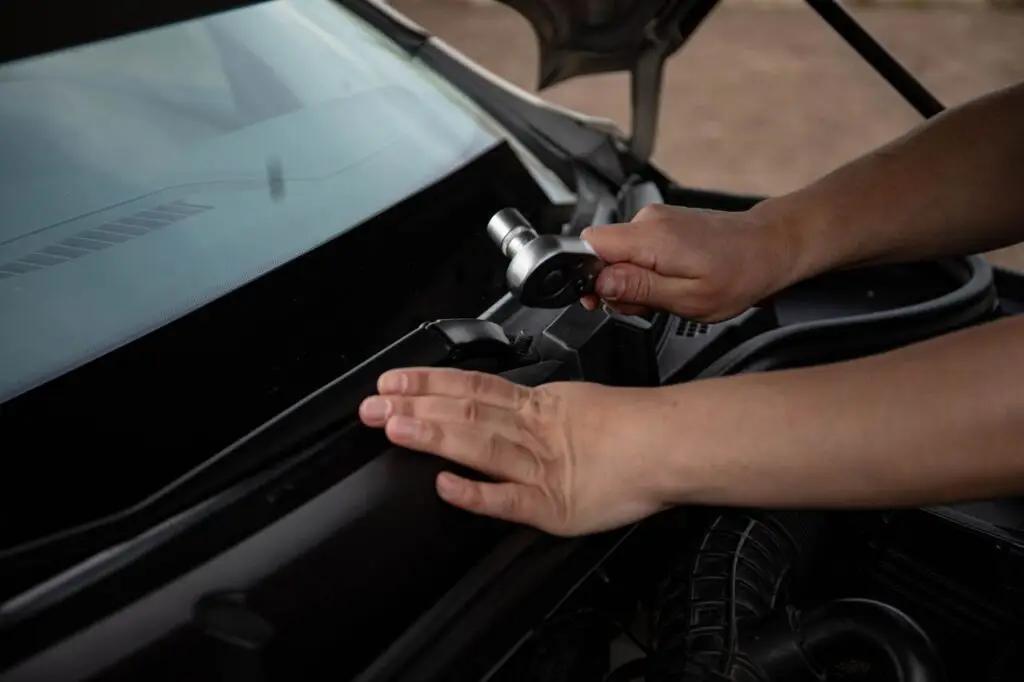
Photographs: Anna Shvets and Sergey Meshkov / Pexels, used under the Pexels license. They illustrate real tool use and maintenance, not our testing or the three compared products. Video credit: ChrisFix; the tutorial is embedded from YouTube.