
Best Automotive Tools: Three Mechanics Sets Compared
Compare DEWALT DWMT73801, GEARWRENCH 80944 and TEKTON SKT15311 by inventory, drive sizes and storage. Build a car toolkit around real tasks.
Independent buying guidance • Practical product comparisons • Road-ready automotive advice
Choose equipment around a real task: a planned maintenance job, tire-pressure top-up, compatible starting assistance or cabin cleanup. Start with the right type of tool, then check its fit, instructions and limits.
Auto Gear Pilot • Updated October 2, 2026
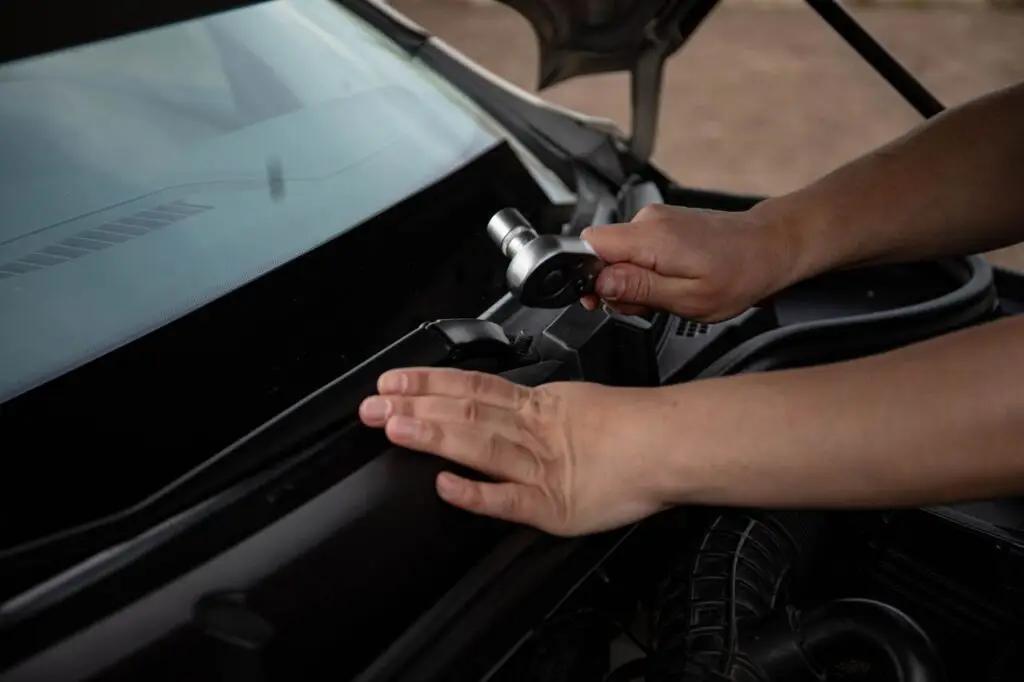
These four guides cover different needs. You do not need to buy every category at once; begin with the tasks that matter for your car and routine.
For planned maintenance jobs
Compare socket sizes, drive sizes, ratchets, bits and storage. Build a kit around the tasks you understand, rather than buying the largest box.
Check first: the full inventory and any separate tools the job requires.
For tire-pressure top-ups
Compare power sources, hose reach, controls and the manufacturer’s tire-size limits. Think about where you will use the tool and how it will be stored.
Check first: the vehicle’s recommended cold-tire pressure.
For compatible starting assistance
Match the battery voltage and documented engine range before comparing charging and extra features. A pack needs regular charge checks while stored.
Check first: the vehicle and device instructions for your setup.
For regular cabin cleanup
Compare attachments, reach, filter care, power source and storage. Choose around the dirt you actually clean, including gaps and spaces under seats.
Check first: whether the vacuum is intended for dry debris, liquids or both.
A useful kit is a job list with the equipment to match. The table below helps you identify a starting point; the exact requirements still come from the vehicle and tool instructions.
Begin with a task you can describe and the instructions you intend to follow. List the relevant tool sizes, connections, power requirements and working conditions. Compare that list with the actual contents of a set or accessory package; do not infer missing equipment from a picture of a large case.
Separate a basic hand-tool inventory from specialist equipment. A mechanics set can contain useful sockets and ratchets without including a suitable torque wrench, vehicle-support equipment or every tool required for a particular repair. The correct extra item depends on the task, not on whether the box has the largest piece count.
Think about where the equipment will live and how it will be kept ready. A small kit stored in a car has different space and maintenance needs from tools kept in a garage. Check charging, cleaning, inspection and replacement-part requirements in the manufacturer’s instructions. Keep missing accessories in the cost comparison rather than discovering them only when you need the tool.
Know the task, tool requirements and any specific vehicle procedure. If the job is beyond your knowledge or equipment, arrange professional help.
Check condition, ratings, connections and required accessories. Follow the manual for charging, cleaning and setup instead of improvising around a missing part.
Allow space and a stable setup. For lifting or work beneath a vehicle, follow the vehicle instructions and appropriate support-equipment guidance.
Useful sources: NHTSA tire-care guidance explains where to find recommended tire pressure. HSE guidance on working under vehicles covers correct support points, equipment capacity and a safe working area. Never rely on a jack alone for work beneath a vehicle.
Browse published posts in the Tools & Equipment category. For the fuller current comparison, start with the car tools guide above.
The mechanics-set comparison is a useful starting point for socket coverage and storage choices. For pressure top-ups, open the portable inflator comparison. Related posts are grouped in the tire inflator and jump starter article collections.
Compare DEWALT DWMT73801, GEARWRENCH 80944 and TEKTON SKT15311 by inventory, drive sizes and storage. Build a car toolkit around real tasks.
These guides are prepared with AI assistance using linked manufacturer information and published sources. We have not conducted our own hands-on product tests. Compare the documented details and limitations, then confirm the current model, bundle and instructions before buying.
Some guides link to retailers. If qualifying affiliate links are used, we may earn a commission at no extra cost to you. Read our affiliate disclosure or send a question or correction.
Read a specification as a documented limit or feature, rather than as proof of suitability for every job. Check the exact model and package, the instructions for the vehicle and the conditions in which the tool will be used. Where a task requires skills or equipment you do not have, the guide helps identify questions to ask a qualified professional; it cannot inspect the vehicle or certify the work.
For a correction, send the article URL, the questionable statement and a current primary source through our contact page. A specific inventory or manual reference is more useful than a general claim that one brand is better.
Start with the jobs you understand and the exact tools those jobs require. Check the vehicle instructions, make a size and tool list, and add items gradually instead of assuming a large kit covers everything.
No. Compare the actual inventory, drive sizes, socket sizes and useful accessories. A bigger piece count can include small bits or sizes you do not need, while still missing a tool required for your job.
Some inflators include a pressure display, but check the device instructions and its stated accuracy. Use the vehicle’s recommended cold-tire pressure from the label or owner’s manual, and use a suitable gauge to verify pressure when needed.
Match the battery voltage and the manufacturer’s engine-size range, then read the vehicle and device manuals. Compare charging and storage requirements as well as starting claims; do not choose by peak amps alone.
Only if the exact vacuum is rated for wet pickup and its instructions explain the setup. A dry-only vacuum should not be used for liquid spills.
No. Some tasks need specific bits, wrenches, torque tools or other equipment. Check the service instructions before starting and do not assume a general set replaces every tool on the job list.
Do not rely on a jack alone for work beneath a vehicle. Follow the vehicle instructions and authoritative guidance for suitable support equipment, correct support points and a safe working area.
No. We have not conducted our own hands-on product tests. The guides use linked manufacturer information and published sources to explain compatibility, useful features and practical limitations.
Choose the relevant guide and make a short list of compatibility, setup and storage requirements before comparing models.