
Car Vacuums: A Simple Guide to Choosing and Using One
Find a practical way to clean crumbs, dust and pet hair from your car. This guide explains the tools, the trade-offs and three cordless models worth comparing before you buy.
By Auto Gear Pilot · Product information checked October 2, 2026.
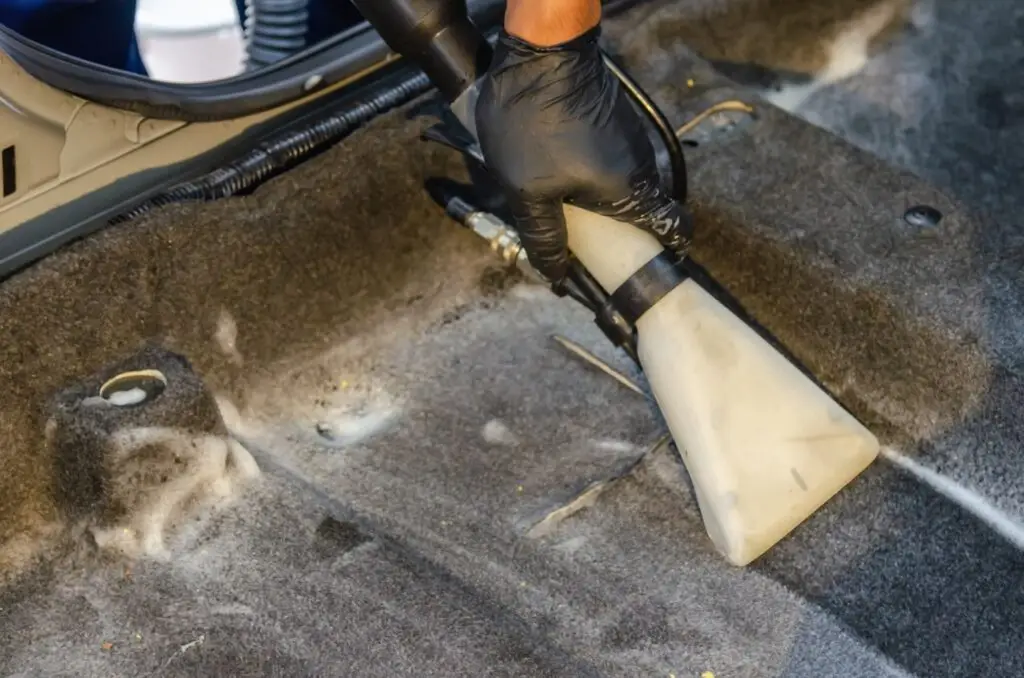
Photo source · Licensed illustrative photograph; it does not show one of the compared products.
About this guide: We compared manufacturer information and read independent published testing. We have not tested these vacuums ourselves. Amazon links let you check the exact model, seller and current listing.
Quick Answer
Choose a car vacuum around your cleaning job: a cordless handheld for quick crumbs, a corded vacuum for longer sessions, or a properly rated wet/dry model for liquids. Check attachments, reach, filter care and usable runtime. For pet hair, consider a suitable brush. Match the exact model before buying online.
Key Takeaways
- Start with the mess. Loose crumbs, embedded pet hair and wet spills need different tools.
- Reach matters. A narrow nozzle and usable hose can matter more than a large headline suction number.
- Runtime is conditional. Battery claims depend on mode, attachment and testing conditions.
- Dry and wet cleaning are different. A standard dry handheld should not collect liquid.
- Check the full cost. Look at included tools, replacement filters, battery support, seller and return terms.
What Is a Car Vacuum?
A car vacuum is a vacuum cleaner used to remove loose debris from a vehicle interior. Some are small handheld machines; others are household vacuums or garage vacuums with a hose. The label describes the intended job, rather than one standard design.
The main cleaning areas are floor mats, carpet, seat surfaces and the gaps around the seats. A narrow attachment helps reach spaces where a wide floor head cannot fit. Soft tools are useful around trim, while a suitable upholstery tool can make fabric cleaning easier.
A car vacuum does not do every detailing job. It can collect dry dirt, but it will not necessarily remove an old drink stain or a smell trapped in damp upholstery. Those problems may need a different cleaning method after the loose dirt has been removed.
Think of vacuuming as the first stage of interior care. Clear the rubbish, remove dry debris and then decide whether the remaining marks need spot cleaning. This keeps the buying decision focused on the task you actually want the machine to do.
Why Consider a Car Vacuum?
A small vacuum can be convenient when your car collects crumbs during school runs, dust on commuting trips or loose grit after outdoor activities. Keeping a suitable tool near your normal cleaning space makes it easier to deal with a small mess before it spreads through the cabin.
The benefit is convenience rather than a guaranteed improvement over equipment you already own. A household vacuum with a long hose and the right attachments may already cover your needs. Try it in the car before spending money on a separate handheld.
Where you park also matters. Someone with a nearby power outlet can consider a mains-powered vacuum for longer sessions. Someone cleaning away from an outlet may prefer a charged cordless handheld, provided the battery lasts long enough for the planned job.
For a family car or a vehicle carrying pets, attachments deserve particular attention. A basic nozzle may collect loose hair but leave strands caught in fabric. Choose around the surfaces and debris you deal with most often, rather than around a general “best” label.
How Car Vacuums Work and Which Features Matter
The motor creates airflow that pulls debris through the nozzle into a dust container. A filter helps keep collected material from passing through the machine. Nozzle shape, restrictions in the air path and the condition of the filter all affect the cleaning experience.
Attachments and usable reach
A crevice tool is useful beside seat rails and between cushions. A brush attachment can help loosen surface debris where the material allows it. For pet hair on upholstery, compare the included pet tool carefully: a manual brush and a motorized brush are different designs.
Measure the awkward places in your car. A vacuum body may be compact but too bulky to enter the gap you want to clean. A hose lets you position the nozzle separately from the motor unit, although you still need room to handle the machine.
Battery, dust container and filter
For a cordless car vacuum, check the stated mode and attachment behind the runtime figure. A maximum runtime is not a promise that every tool will run for that long. Also consider charging time, whether the battery is replaceable and where you will store the charger.
Look at how the dust container opens and how the filter is removed. An awkward emptying process can make a convenient cleaner frustrating to maintain. Wash a filter only when the instructions allow it, and follow the stated drying procedure before putting it back.
Dry vacuuming and upholstery extraction
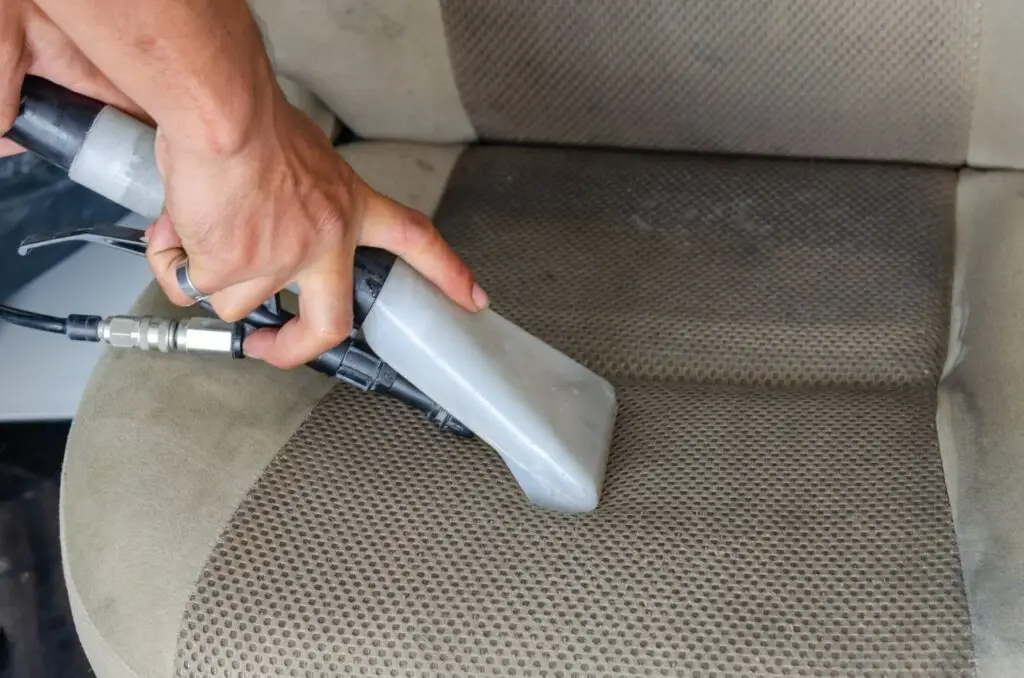
A dry vacuum collects loose dirt. An upholstery extractor uses a different process to clean fabric with liquid and recover moisture. A wet/dry vacuum may collect liquid when correctly configured, but that alone does not make it an upholstery shampooing machine.
Types of Car Vacuums
Cordless handheld
A cordless handheld is easy to carry around the car and useful for short cleanups. The trade-offs are battery limits and usually a smaller dust container. Check whether the tools fit your seats and whether the charging arrangement suits your home.
Mains-powered corded vacuum
A mains-powered vacuum is worth considering for longer cleaning sessions near an outlet. You need enough cable and hose reach to work around the vehicle. A machine you already own may be suitable if it has the right attachments and can be positioned safely.
12-volt car-socket vacuum
A 12-volt model takes power from a compatible vehicle socket. Check the vacuum instructions and the vehicle’s socket limits before choosing one. Cable routing can be inconvenient, and the electrical rating alone does not tell you how well it picks up debris.
Wet/dry garage vacuum
A wet/dry car vacuum can suit larger messes if the manufacturer permits the material you plan to collect. It is generally a different storage and handling choice from a small handheld. Read the required filter and container setup for wet use before collecting any liquid.
Practical Benefits and Limits
The main benefit of a dedicated car vacuum is having a tool that is ready for the car. A manageable body and useful attachments can reduce the effort involved in a quick cleanup. That matters most when convenience is the reason cleaning gets postponed.
Good access can also reduce the need to move a large vacuum repeatedly. A hose or well-shaped nozzle helps reach footwells and tight gaps while you work from an open door. The right tool can make the process easier, even when it is not the most powerful machine available.
There are limits. A small handheld is not automatically the best choice for a whole vehicle full of sand or deeply embedded hair. Repeated emptying, battery charging and brush cleaning can make a larger corded machine more practical for a demanding job.
Plan around the mess you normally have, then leave room for occasional deeper cleaning. You may find that a small handheld covers weekly touch-ups while your existing household or garage vacuum handles the longer sessions. Owning two specialized machines is not necessary for everyone.
How to Choose and Use a Car Vacuum
1. Describe your normal cleaning job
Write down the debris you see most often: crumbs, fine dust, grit or pet hair. Note whether it sits on rubber mats or gets trapped in carpet and fabric. This gives you a more useful shortlist than starting with suction figures or product popularity.
2. Check parking, reach and storage
Decide where you will clean and whether power is available there. Check access to the rear seats, boot and front footwells. Choose a body, hose and cable arrangement you can manage comfortably, with a storage place for the cleaner and its attachments.
3. Compare the exact model and included tools
Match the model code on the manufacturer page to the seller’s listing. A similar-looking version may include different attachments or a different charger. Check what is in the box rather than assuming that every brush shown in a product family is included.
4. Prepare the interior
Park securely, switch off the vehicle and remove rubbish and loose personal items. Take out removable floor mats where practical. Deal with liquids separately using a permitted method; do not draw them into a dry-only handheld.
5. Work through one area at a time
Start with the seats and work down to the floor so loosened debris does not fall onto an area you have already finished. Use controlled passes and select a nozzle that fits the space. Check around rails visually, without forcing tools into wiring or moving mechanisms.
6. Finish with the mats and maintenance
Vacuum removable mats outside the car when their care instructions allow it, then refit them securely. Empty the container and check the brush and air path. Follow the manual for filter cleaning, charging and storage so the vacuum is ready for the next use.
How to Use a Car Vacuum: Video Tutorial
Watch Detail Groove’s guide to vacuuming a car interior. Follow the written steps above alongside the video, and use the care instructions for your own vacuum and upholstery.
Video: How To Vacuum Car Interior – Detailing Interior Like A Pro Series, by Detail Groove. This is a general cleaning-technique tutorial.
Best Practices for a Cleaner Interior
Use short, regular sessions when that suits your routine. Cleaning a small spill of crumbs is easier than letting loose debris spread into every footwell. Choose a schedule around use rather than treating one fixed interval as a rule for every car.
Give attachments time to work. Move across fabric in controlled passes instead of rushing the nozzle over it. If debris remains, check the tool, brush and filter before assuming that a higher power setting is the only answer.
Use a suitable soft attachment around delicate trim and follow the vehicle’s surface-care guidance. Test your cleaning approach in a less visible area when you are unsure about a material. Vacuuming should not require scraping the nozzle hard against interior surfaces.
Empty the dust container before the fill limit and keep the air path clear. For washable parts, follow the manual rather than washing the whole machine. Keep cleaned filters out of the vacuum until they meet the manufacturer’s drying instructions.
Keep loose attachments together in a simple pouch or storage tray. A crevice tool is only useful if you can find it when you need it. Store the battery and cleaner under the conditions the maker recommends, instead of assuming a hot parked car is a suitable permanent storage place.
Common Buying and Cleaning Mistakes
- Buying from a suction number alone. Different measurement methods and tool arrangements make headline figures an incomplete comparison. Look for evidence of pickup on the debris and surfaces relevant to you.
- Ignoring the included tools. A useful brush or flexible hose can change how easily you clean your particular car. Compare the exact package, not just the vacuum body.
- Expecting full runtime in every mode. Read the conditions behind battery claims. Plan some margin for a longer job rather than using the maximum figure as a guarantee.
- Collecting liquid with a dry-only machine. Wet pickup needs explicit manufacturer approval and the correct configuration. A powerful dry handheld is still a dry handheld.
- Expecting a vacuum to remove every stain. Loose debris and fabric marks are different problems. Clean dry dirt first and choose a separate, suitable treatment for the remaining mark.
- Neglecting the filter. A blocked filter or air path can make a cleaner less useful. Follow the maintenance instructions before replacing a machine that appears to have lost performance.
- Ordering a similar model by mistake. Check the model number, attachments, charger, seller and return policy together. Product names and bundle photographs can look very similar.
Compare Three Cordless Car Vacuums
These are three identifiable models with different tool arrangements. This is a manufacturer-specification comparison, not a performance ranking or a claim that we tested them. Use the details to decide which design deserves a closer look for your car.
*Dyson runtime condition: up to 50 minutes in low-power mode with a non-motorized tool. Actual runtime varies. The three battery figures come from the manufacturers and are not a controlled, like-for-like test.
Prices, discounts and review scores change by seller and date. Check the current listing rather than relying on a frozen price range or star rating here. Use the links below to check the exact bundle and seller.
Shark UltraCyclone Pet Pro+ CH951
Consider its motorized pet brush if fabric seats and loose hair are part of your regular cleanup. Its short listed runtime makes job length an important check.
BLACK+DECKER dustbuster FLEX BDH2020FL
The flexible hose separates the nozzle from the main body, which may suit awkward seat gaps. Check the full model number and included pet brush in the listing.
Dyson Car+Boat
Compare the mini motorized tool and its longer maximum runtime claim. Confirm this current version and read the runtime conditions before treating it as a longer-session option.
Car Vacuum Pros and Cons
What can work well
- A portable cleaner can make small, frequent cleanups more convenient.
- Crevice tools and suitable brushes help you work around interior shapes.
- Cordless models give you freedom to move without routing a power cable.
- A hose-equipped model can improve access where the main body will not fit.
What to consider before buying
- Small dust containers may need emptying during a dirty-car cleanup.
- Cordless runtime and recharge needs can interrupt a longer session.
- Embedded pet hair may need a suitable brush and repeated passes.
- Filters and brushes need ongoing cleaning or replacement.
- Dry-only handhelds cannot substitute for wet pickup or upholstery extraction.
These are general design trade-offs. They do not establish that one of the compared products cleans better than another. For that decision, look for independent testing that names the exact version, attachments and debris used.
Buying and Maintenance Tips
Read the test method. A useful independent review describes the debris, surfaces and tools involved. Results from a hard floor may not answer your question about pet hair in a fabric seat. Look for handling, emptying and maintenance observations as well as pickup results.
Check parts before purchase. See whether replacement filters, brushes and batteries are available for the exact model. An inexpensive cleaner can become inconvenient if a routine wear part is difficult to find. Confirm support in the country where you will use it.
Separate battery claims from your job. Estimate how long you normally spend cleaning and which attachment you need. A low-power, bare-nozzle runtime claim may not describe a more demanding brush session. Choose with enough flexibility for your own routine.
Do a simple check when performance changes. Empty the container, inspect the air path and follow the instructions for the filter. Remove hair from a brush only as directed. If performance remains poor, consult the maker’s troubleshooting guidance instead of dismantling sealed components.
Review the full order. Check the seller, model code, package contents and return terms before payment. Amazon search results may mix accessories with machines, so confirm that the item you open is the intended vacuum. Save the manual and purchase details for future maintenance.
Car Vacuum FAQ
What is the best car vacuum for everyday cleaning?
There is no single choice for every car. For quick dry crumbs, a manageable handheld with a crevice tool may be enough. For longer sessions or heavy debris, compare a corded or larger hose-equipped vacuum. Start with your surfaces, parking location and typical mess.
Is a cordless car vacuum better than a corded one?
Cordless models are convenient when you need to move freely or have no nearby outlet. Corded models avoid battery-runtime interruptions but require suitable reach and power access. Choose around where and how long you clean, rather than assuming one format always performs better.
Can a car vacuum pick up water?
Only if the exact machine is approved for wet pickup and configured as its manual requires. Do not use a dry-only handheld for liquids. A wet/dry vacuum and an upholstery extractor also do different jobs, so check the intended cleaning method before buying.
Which car vacuum should I choose for pet hair?
Look for a suitable upholstery or pet-hair tool and evidence of pickup on fabric. A motorized brush may be useful, but its performance depends on the design and surface. Compare the included attachment on the exact model, and expect some embedded hair to need extra work.
How much suction does a car vacuum need?
There is no universal suction threshold that guarantees good cleaning. Headline figures may use different methods and do not describe nozzle access, brush action or filter condition. A relevant debris-pickup test and useful attachments give a more complete picture than one number.
How long should the battery last?
It should cover the job you plan to do, with some margin. Check the power mode and tool used for the manufacturer’s claim. The listed figures in our comparison are not equivalent controlled tests, and maximum runtime may not apply when using a motorized attachment.
Can I use my household vacuum in the car?
Often, yes, if its instructions allow the surfaces and debris involved and it has usable reach and attachments. Try your existing cleaner before buying another. A compact car vacuum may still be worthwhile if portability and quick access are the main problems you want to solve.
How often should I empty the bin and clean the filter?
Empty the bin before the stated fill limit and follow the model’s filter-care schedule. Heavy debris may require attention sooner. Wash only parts described as washable, and follow the drying instructions before reuse. There is no one maintenance interval that fits every vacuum.
Final Verdict: Choose Around Your Car and Your Routine
Choose a car vacuum for a specific cleaning problem. A compact cordless handheld can suit short dry cleanups; a hose can improve access; a corded or larger wet/dry machine may fit a different workload. The right design is the one you can use and maintain comfortably.
Start by trying the vacuum you already own. If you need a separate cleaner, shortlist the tools and format first, then compare exact models. Check the current price, package contents, runtime conditions and support before deciding.
The Shark CH951, BLACK+DECKER BDH2020FL and current Dyson Car+Boat offer three different cordless arrangements to examine. Their listed specifications help narrow the choice, but they do not establish a universal winner. Use the comparison as a starting point for your own needs.
Sources and how we made this guide
Prepared by Auto Gear Pilot. Product information checked October 2, 2026. This is a research-based buying guide, not a hands-on review. We used manufacturer specifications for model details and independent publications to identify useful comparison questions.
- Shark: CH951 specifications and included tools
- BLACK+DECKER: BDH2020FL specifications
- Dyson: current Car+Boat specifications and runtime conditions
- RTINGS: car-vacuum testing and comparisons
- Car and Driver: tested car-vacuum guide
- TechRadar: car-vacuum reviews and buying considerations
Both cleaning photographs are by Khunkorn Laowisit and used under the Pexels license. They illustrate real interior extraction work, not the three compared products or testing performed by us.