
Best Jump Starters for 2026: A Practical Buying Guide
Compare three portable jump packs, understand what their ratings mean and choose one that fits your vehicle. Start with battery compatibility, then look at charging, controls and the kit you will keep ready.
By Auto Gear Pilot • Specifications checked October 2, 2026
Research-based guide • Manufacturer ratings, with sources below
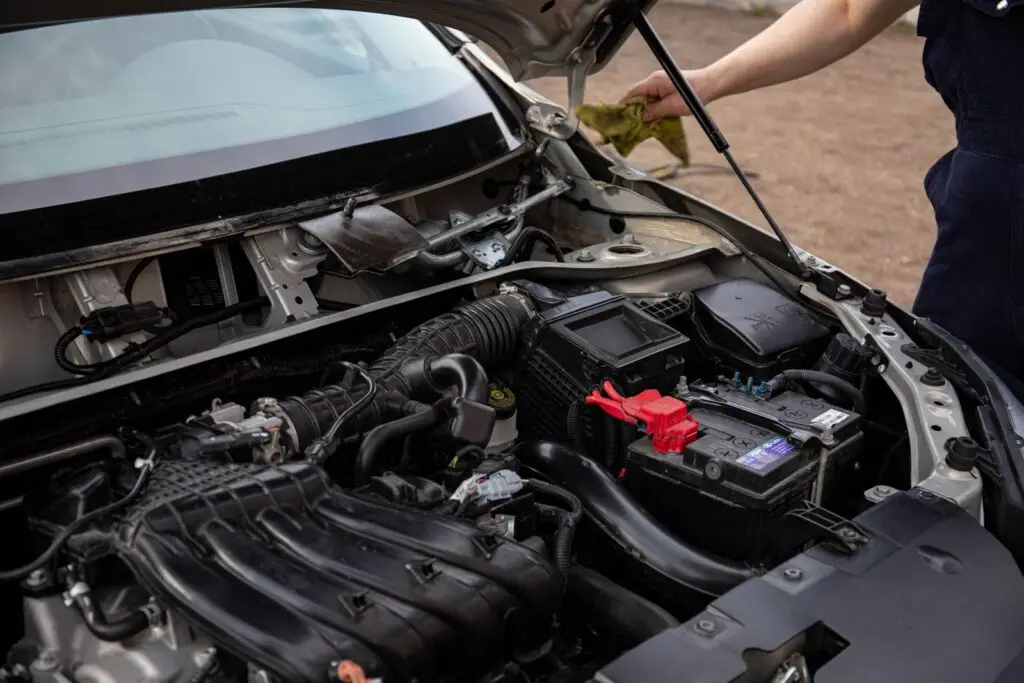
Quick answer: which jump starter should you buy?
Choose a portable jump starter that matches your vehicle’s battery voltage, battery chemistry and engine size. Prioritize clear instructions, protected clamps and a charging routine you can maintain. Compare the NOCO GB40, NOCO GBX45 and HULKMAN Alpha 85 below, then confirm compatibility in both manuals before buying or connecting anything.
Five things to know before buying
- Compatibility comes first. A 12V label does not make a jump pack suitable for every battery or vehicle.
- Peak amps need context. Different manufacturers’ headline numbers are not a shared real-world starting test.
- Charging matters. A capable pack is little help when its internal battery is depleted.
- A jump is temporary assistance. It does not replace a failing battery or repair a charging-system fault.
- Read two manuals. Your vehicle specifies the jump points; your jump starter specifies its controls, limits and warnings.
What is a portable jump starter?
A portable jump starter is a rechargeable power pack that can briefly help a compatible vehicle start when its battery cannot provide enough power. It connects through a dedicated set of clamps. Unlike ordinary jumper cables, it carries its own energy, so it does not usually require a second vehicle.
You may also see it called a battery jump pack, jump box, booster pack or car jump starter. These names describe a similar purpose, but the products can differ greatly in size, controls, battery requirements and engine coverage. Read the model number rather than relying on a broad name such as “heavy duty.”
A jump starter is different from a battery charger. A charger is designed to replenish a compatible battery over time. A maintainer helps keep a suitable battery charged during storage. A jump pack provides starting assistance. Some products combine functions, but a USB charging port does not make a jump pack a vehicle-battery charger.
For a normal driver, the useful question is straightforward: will this device support my vehicle, and will I be able to use it correctly when I need it? Extra ports, bright lights and a long accessory list are secondary to those two points.
How this guide was prepared
We checked manufacturer specifications, model instructions and an official tutorial. We also reviewed established automotive buying guides to understand common reader questions. We have not personally tested these three packs, measured their starting output or verified every marketing claim. Our suggestions describe buying priorities, with limits made clear. This is an updated 2026 guide to established models; it does not mean every product launched in 2026.
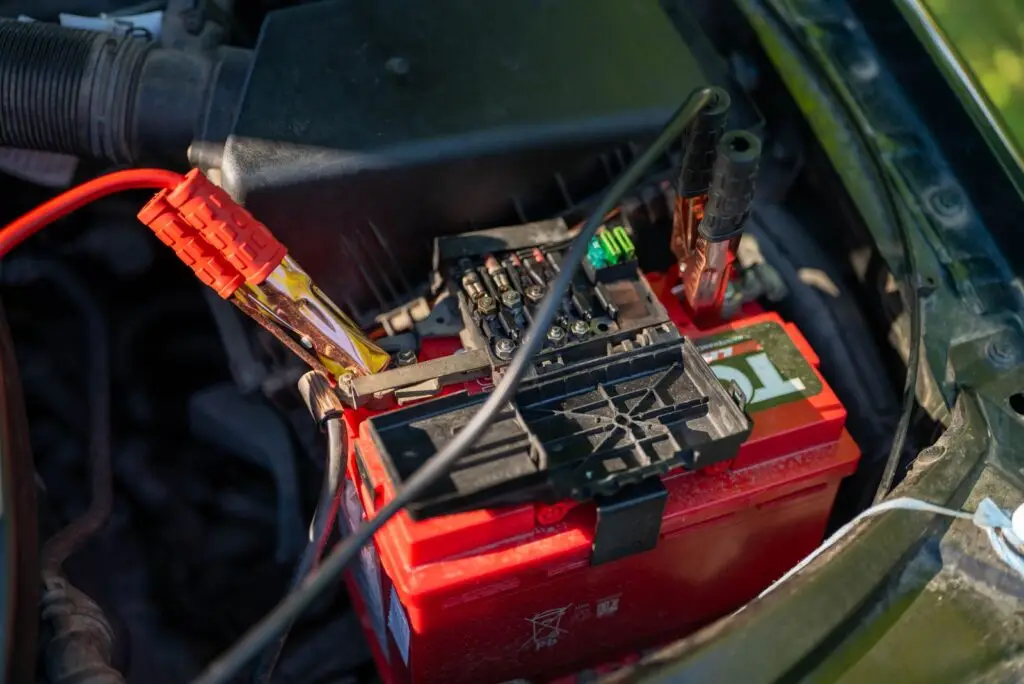
Why keep a jump starter in your car?
A battery problem can happen at home, at work or during a trip. A compatible, charged jump pack may help when the immediate problem is insufficient battery power. It can be useful where parking positions make another vehicle difficult to reach, or when a willing helper is unavailable.
It also gives you a chance to prepare in advance. You can read the instructions in daylight, identify your vehicle’s approved jump points and store the necessary parts together. That is easier than learning a new device while dealing with a breakdown.
However, carrying a jump starter does not mean every no-start problem is a battery problem. A vehicle may fail to start because of other faults. If it cranks normally but will not run, repeatedly adding a boost is not a useful diagnosis. Stop and arrange help rather than assuming more power will solve it.
Think of the pack as one part of your emergency plan. A phone, roadside-assistance details and a safe place to wait can matter just as much. If the vehicle is exposed to moving traffic or the conditions make working under the hood unsafe, professional assistance is the better next step.
Drivers who rarely travel far can still benefit, but only if they remember to maintain the pack. An emergency tool left untouched for years should not be treated as ready simply because it is sitting in the trunk.
Features that matter more than a big amp number
Documented vehicle coverage. Find the battery voltage, permitted battery chemistry and separate gasoline and diesel engine limits. These are screening details, not a promise that every vehicle inside a stated range will start under every condition.
Clear clamp protection and alerts. Look for a manufacturer that explains normal operating protections, connection warnings and error indications. Learn what the ready signal looks like. A protection feature is a useful safeguard, but it does not make the wrong voltage or a damaged battery acceptable.
Usable cables and clamps. Before buying, consider where your approved jump points are located. The connector and cables must reach without pulling the pack into an unstable position. A large clamp is not automatically easier to fit around a covered or recessed terminal.
A charging method you can use. Check the input port, supported charging power and whether the required wall adapter is included. A USB-C socket alone does not tell you its power rating. An adapter that charges a phone slowly may not deliver the advertised fast recharge for a jump starter.
Readable status information. A simple charge indicator can be enough if you understand it. A screen may make prompts easier to follow, but it should show useful information rather than only an impressive percentage. Keep a copy of the error-code guide with the pack.
Storage and temperature limits. Compare the manufacturer’s separate rules for use, charging and storage. A product that can be used in cold weather may still need a different temperature range for charging. Plan where it will live during hot and cold seasons.
Support and complete instructions. Prefer a model with an accessible manual, a clear model label and a support channel. The ability to identify a replacement clamp cable or confirm a confusing warning can be more useful than another accessory in the box.
The main types of jump starters
Compact rechargeable packs focus on portability. They are easy to include in a personal emergency kit, provided the vehicle is within their documented coverage. Check the complete kit size, including the clamps and case, rather than judging only the central unit.
Larger portable packs may cover bigger engines or offer additional power outputs. They can make sense for drivers with different vehicles to support. Their higher headline rating still needs to be checked against the specific engine, battery and operating conditions.
Workshop-style jump boxes are usually considered where carrying size matters less. Their weight, maintenance routine and storage needs can differ from compact packs. A home garage and a small glovebox are different use cases; choose around the place you will actually keep the device.
Combination units may add an air compressor, lighting or other emergency functions. Assess each function separately. A useful jump starter does not automatically have an inflator suited to your tires, and an inflator’s maximum pressure does not describe its practical speed or duty cycle.
For a first purchase, a dedicated jump pack with clear instructions is a reasonable starting point. If tire inflation is also a priority, compare the compressor separately in our tire inflator guide. Two tools chosen for their own jobs can be easier to evaluate than a long list of combined features.
Benefits—and realistic limits
The main benefit is access to portable starting assistance. You do not need to locate another vehicle just to supply the energy. This can make a compatible pack convenient at a campsite, in a parking space or during an early-morning battery problem at home.
A second benefit is preparation. Keeping one known device, its original clamps and its instructions together gives you a repeatable routine. Family members can learn where it is stored and how to find the vehicle’s approved procedure before an emergency occurs.
Some packs also offer a light or device-charging ports. Those features can be useful, but they draw from the same stored energy that you may need for starting assistance. Avoid using your emergency reserve as an everyday phone charger without checking the charge afterward.
The limits are just as important. A jump pack cannot make an incompatible battery suitable, repair a broken starter or guarantee a successful start from a badly damaged vehicle battery. It also cannot remove the risk created by a poor connection or an unsafe work location.
Buy it to address a defined problem: occasional starting assistance for a compatible vehicle. Keep regular battery checks and roadside assistance in your plan instead of expecting one purchase to cover every possible breakdown.
How to choose and use a jump starter safely
Begin with the vehicle, then choose the pack. Write down the year, model, engine size, fuel type and low-voltage battery information. Find the jump-starting section in the owner’s manual. If the battery chemistry or approved power source is unclear, ask the vehicle manufacturer or a qualified technician before choosing a device.
Next, read the jump starter’s own manual. Confirm that it permits your battery and engine, and note its charging requirements, ready signal, temperature limits and maximum attempts. Keep the original clamps with the device. Do not assume a cable from another model is interchangeable.
- Prepare a safe location. Follow the vehicle’s parking and ignition instructions. If you cannot work safely, call for assistance. Inspect the vehicle battery and pack; do not attempt to jump a frozen, leaking, swollen or visibly damaged battery.
- Check the pack. Confirm it has the required charge and is within its permitted operating range. Identify the controls and warning indicators before connecting it.
- Use the designated connection points. Follow both manuals for the exact sequence. Red identifies positive; the black clamp goes to the negative terminal or designated grounding point specified for your vehicle and device. A generic engine-bay photo cannot establish those points.
- Wait for the documented ready indication. An error light or unexpected behavior is a reason to stop and consult the instructions, not a reason to keep trying.
- Make only permitted starting attempts. Follow the limits for crank duration, waiting and cooling. These limits vary between models; there is no universal retry schedule.
- Disconnect as instructed. Keep cables clear of moving engine parts. Once assistance is complete, remove the device in the specified order and arrange battery or charging-system checks if needed.
Do not bypass protections as a routine fix. Manual override or force-start modes can disable safety features. This guide does not provide bypass instructions. If normal operation will not detect the battery, consult the exact manual and seek qualified help when the battery’s condition or polarity is uncertain.
For a hybrid or EV, use only the vehicle maker’s approved low-voltage procedure. Battery chemistry and connection points can vary even within one model family. A portable 12V pack is not a way to jump the high-voltage traction battery, and these three products should not be assumed compatible with every EV.
Watch: NOCO’s GB40 demonstration
This official NOCO video explains its GB40 controls and basic operation. Published February 7, 2020; it is a manufacturer demonstration, not an independent 2026 product test. Current revisions and other models may differ. Confirm the exact device manual and your vehicle’s approved connection points before use.
Video credit: NOCO — “How to jump start using your NOCO Boost GB40.” The written instructions above are a preparation checklist; the two manuals provide the model-specific procedure.
Best practices for charging and storage
Charge the pack as directed before its first use. Then set a reminder to inspect its charge at the interval in its manual and before important trips. Recharge after a jump-start attempt or after using its accessory outputs. A label promising a long standby period should not replace a maintenance routine.
Keep the unit, original clamp assembly, charging cable and instructions in one accessible case. Store them so the clamps cannot contact each other or loose metal items. A fitted case helps organize the kit, but it does not remove the manufacturer’s temperature restrictions.
Check the pack and cable insulation during your routine inspection. If you find damage, swelling, leaking or unusual behavior, stop using it and contact the manufacturer. Do not open the pack or improvise a repair to its high-current connector.
Choose a storage position that avoids crushing, moisture and direct heat. Review seasonal conditions rather than assuming every part of the vehicle remains within the permitted range. Charging and storage limits can be different, so read each separately.
After a successful jump, deal with the cause of the weak battery. Ask for a suitable battery and charging-system assessment if the problem repeats. A vehicle starting once does not prove that its battery has recovered or that another start will be trouble-free.
Common buying and usage mistakes
Choosing only by peak amps. The largest number on a box is easy to compare, but it does not establish a standardized starting result. Use documented compatibility and the full manual as your starting point.
Assuming “lithium” means every lithium battery is compatible. The chemistry inside the jump pack and the chemistry of the vehicle battery are separate questions. A pack with an internal lithium battery may be intended only for lead-acid vehicle batteries.
Leaving the pack uncharged. Buying a useful model is only the first step. A simple maintenance reminder matters more than accessory features you will rarely use.
Ignoring the exact bundle. Listings may group multiple models, cases, chargers or accessory kits together. Match the model label, included clamp cable and charging adapter before comparing the total cost.
Copying a video’s connection points. Use a tutorial to understand the device’s controls. Use your owner’s manual to identify the approved terminals and ground. Another vehicle’s layout may look similar while requiring a different procedure.
Repeatedly cranking after a warning. More attempts can exceed the device’s limits. Stop for error indications, overheating or an unclear connection, and follow the documented troubleshooting steps.
Using a jump starter as a permanent repair. Frequent boosts mean the underlying problem needs attention. Do not rely on a pack as a substitute for a functioning vehicle battery.
Working in an unsafe place. Getting the engine running is not more important than a safe work location. If access to the battery exposes you to traffic or other hazards, arrange roadside help.
Compare three portable jump starters
These are research-based options to compare, selected for accessible manufacturer specifications and different buying priorities. They are not the results of Auto Gear Pilot hands-on testing. The ratings below come from the linked manufacturer pages, checked on October 2, 2026. None is a universal “best” for every vehicle.
NOCO GB40
NOCO lists this 12V pack for gasoline engines up to 6.0L and diesel engines up to 3.0L, with a 1,000A rating. Its manual restricts vehicle-battery use to 12V lead-acid batteries.
Why consider it: a compact starting-assistance option with accessible instructions and an official tutorial.
Check first: your battery chemistry, engine coverage and the charging port on the exact revision you order.
NOCO GBX45
NOCO lists a 1,250A 12V pack covering up to 6.5L gasoline or 4.0L diesel engines. USB-C input and output support up to 60W with compatible equipment.
Why consider it: charging convenience may fit a kit that already uses suitable USB-C power hardware.
Check first: the required charger, battery compatibility and its own operating sequence. A GB40 tutorial does not replace GBX45 instructions.
HULKMAN Alpha 85
HULKMAN lists a 2,000A peak rating for 12V vehicles, with gasoline coverage up to 8.5L and diesel coverage up to 6.0L. Its manual describes a READY prompt and model-specific error codes.
Why consider it: another documented option where those engine limits fit your needs.
Check first: the exact Alpha 85 model, charging bundle and battery compatibility. Do not assume Alpha 85S or other Alpha variants are the same device.
Model links open Amazon search results. Match the exact model, seller and included kit before buying. Prices, stock and bundles can change; we have not added fixed prices or unverified customer ratings.
Manufacturer specifications at a glance
How to read the table: these are manufacturer-stated figures, not our measured results. Peak-amp labels are not directly comparable test scores. Confirm the current manual and listing for the exact unit. Engine-size coverage does not guarantee a start with every battery condition or temperature.
Pros and cons of carrying a jump pack
Advantages:
- Provides its own energy for compatible starting assistance.
- Can be prepared, charged and stored before a breakdown.
- Lets you keep one familiar device and its instructions together.
- May provide useful lighting or device charging when those features are included.
Trade-offs:
- Requires charging, inspection and suitable storage.
- Must match the vehicle’s voltage, battery chemistry and engine requirements.
- May not help when the no-start problem is unrelated to battery power.
- Needs careful use; protected clamps do not eliminate all risks.
The practical decision is whether you will maintain the pack and learn its procedure. If you will, it can be a useful part of an emergency kit. If you will leave it unopened and forget its charge, its advertised capability is much less valuable.
For a vehicle already needing frequent boosts, put battery diagnosis ahead of accessories. A suitable repair addresses the recurring fault; a jump starter mainly gives you another option when an occasional battery-power problem occurs.
Practical tips for a better buying decision
Start with a short checklist rather than a brand preference: battery compatibility, engine coverage, accessible connection points, charging hardware, storage space and readable instructions. Rule out products that fail a required item before comparing optional features.
If you need one pack for two vehicles, check both manuals separately. A device suited to a small gasoline car may not cover a larger diesel engine. Conversely, buying the highest-rated pack does not resolve a battery-chemistry restriction.
Consider the whole ownership routine. Will you bring it inside to charge? Do you already have a compatible power adapter? Can another driver find the manual and understand the ready indicator? Those everyday details can matter more than a small difference in an advertised rating.
Read owner feedback for recurring usability concerns, such as confusing indicators or awkward cable reach. Treat those comments as individual experiences rather than a controlled test. Look for an exact model match and recent comments, and do not treat a star rating as proof of vehicle compatibility.
Check the seller, return terms and manufacturer support before ordering. Once it arrives, verify the model and parts, charge it properly and read the instructions. Familiarize yourself with the layout without connecting it unnecessarily or creating a battery problem to “test” it.
Jump starter FAQs
Quick answers to common buying and usage questions. The exact instructions for your vehicle and jump starter always take priority.
What size jump starter do I need?
Match the pack to the vehicle’s battery voltage and chemistry, then check the manufacturer’s gasoline or diesel engine-size limit. Do not choose by peak amps alone. The GB40, GBX45 and Alpha 85 have different stated engine ranges; none guarantees a start in every condition.
Is a 2,000A jump starter twice as good as a 1,000A model?
No. Headline amp ratings do not automatically represent the same test across brands. Battery condition, vehicle requirements, temperature and the pack’s charge affect the outcome. Compare documented compatibility and instructions rather than treating the numbers as a performance league table.
Can a jump starter recharge my car battery?
A normal jump pack provides temporary starting assistance. It is not a substitute for a compatible battery charger or maintainer unless the product explicitly includes that function. After a boost, arrange suitable recharging and investigate the cause of a weak battery, especially if the problem returns.
Can it start a completely discharged battery?
It depends on the pack, battery condition and minimum voltage the device can detect. Do not jump a frozen, leaking, swollen or damaged battery. Override and force-start modes can disable protections. When normal operation will not detect the battery, consult the exact manual and seek help if unsure.
How often should I charge my jump pack?
Follow the model’s stated maintenance interval, recharge after use and check the charge before important trips. Storage temperature and accessory use can affect the reserve. Use the specified charging method and do not assume a long standby claim means you can ignore inspections.
Do portable jump starters work in cold weather?
They may, within the model’s permitted operating conditions and vehicle coverage. Cold weather can make starting harder. Keep the pack adequately charged and distinguish its operating, storage and charging temperature limits. Do not use external heat or improvised warming methods.
Can I use one on a hybrid or electric vehicle?
Only if the vehicle manufacturer permits that power source for its low-voltage system and the jump starter is compatible. Low-voltage batteries may have different chemistry and procedures. Follow the approved jump points and instructions. Never use a portable 12V jump pack on the high-voltage traction battery.
Why does my car still not start after a boost?
The pack may be insufficiently charged or incompatible, the connection may be incorrect, the battery may be damaged, or the fault may be elsewhere in the vehicle. Stop for warnings and follow the attempt and cooling limits. If it cranks normally but will not run, arrange diagnosis rather than repeatedly boosting.
Final verdict: match the pack to your vehicle
The best jump starter is the compatible model you can keep charged, store properly and use with confidence. Choose by the vehicle’s battery requirements and engine coverage first. Then compare controls, charging needs and the complete kit.
The GB40 is worth comparing for a straightforward compact setup. The GBX45 adds a reason to look closely at USB-C charging convenience. The Alpha 85 is another option when its larger stated engine range matches your needs. Those are buying priorities, not independently measured performance rankings.
Before ordering, read the relevant manufacturer specifications and confirm the exact model and bundle on the live listing. Before using it, read both manuals. After a boost, investigate repeated battery trouble rather than accepting it as normal.
For a fuller emergency kit, see our car tools guide and tire inflator guide. Each tool should solve a specific problem you may encounter.
Sources and editorial notes
- NOCO GB40 manufacturer specifications
- NOCO GBX45 manufacturer specifications
- HULKMAN Alpha 85 specifications
- NOCO GB40 user guide and NOCO operating guidance
- HULKMAN Alpha 85 user guide
- GOOLOO GP4000 manual — additional reference showing why attempt and cooling rules are model-specific; GP4000 is not one of the three picks above.
- Tesla Model 3 owner’s manual example — separate low-voltage battery procedures; not a compatibility endorsement for these packs.
- Official NOCO GB40 demonstration, published February 7, 2020.
Sources checked October 2, 2026. Our buying priorities are editorial judgments based on those documents. We have not performed hands-on starting tests or independently verified manufacturers’ recharge-time and starts-per-charge claims. Photos are credited licensed illustrations. Read more about the site on our About page.